
Bachelor of Science in Biology · Biotechnology Concentration
Biotechnology
Discover how biology becomes a tool for solving problems.
What happens when we use biology to investigate, develop, and improve real-world processes? Study living systems, laboratory methods, and biological data in the Biotechnology concentration of MEU’s BS in Biology.
Biology in Application
Biotechnology is more than a laboratory technique.
From understanding DNA to interpreting biological data, biotechnology connects the science of living systems with methods that people can use in research, industry, medicine, and other fields.
At MEU, Biotechnology is a concentration within the BS in Biology. It combines fundamental biological science with biotechnology methods, microbiology, bioinformatics, and responsible laboratory practices.
Program film coming soon — we are working on it.
The Essentials
Biotechnology at a glance.
Explore the questions, knowledge, and directions that define this concentration.
Biology + Technology
Understand how biological processes relate to useful methods.
Molecular Methods
Explore DNA, microorganisms, and laboratory techniques.
Data & Bioinformatics
Connect biology with computational approaches to data.
Industry Perspective
Develop knowledge relevant to biotechnology work and further study.
Your Biotechnology Foundation
Start with life science. Learn how to work with it.
Before you can use biological methods responsibly, you need to understand the systems behind them.
Build the same core Biology foundation in genetics, molecular biology, chemistry, and research design that supports the wider BS degree. Learn how scientists study cells, molecules, microbes, and the processes that make life possible.
The Biotechnology concentration adds microbiology, biochemistry, introductory biotechnology, bioinformatics, bioethics, and Good Laboratory Practice. This creates a bridge between understanding biological systems and considering how biological techniques are used.
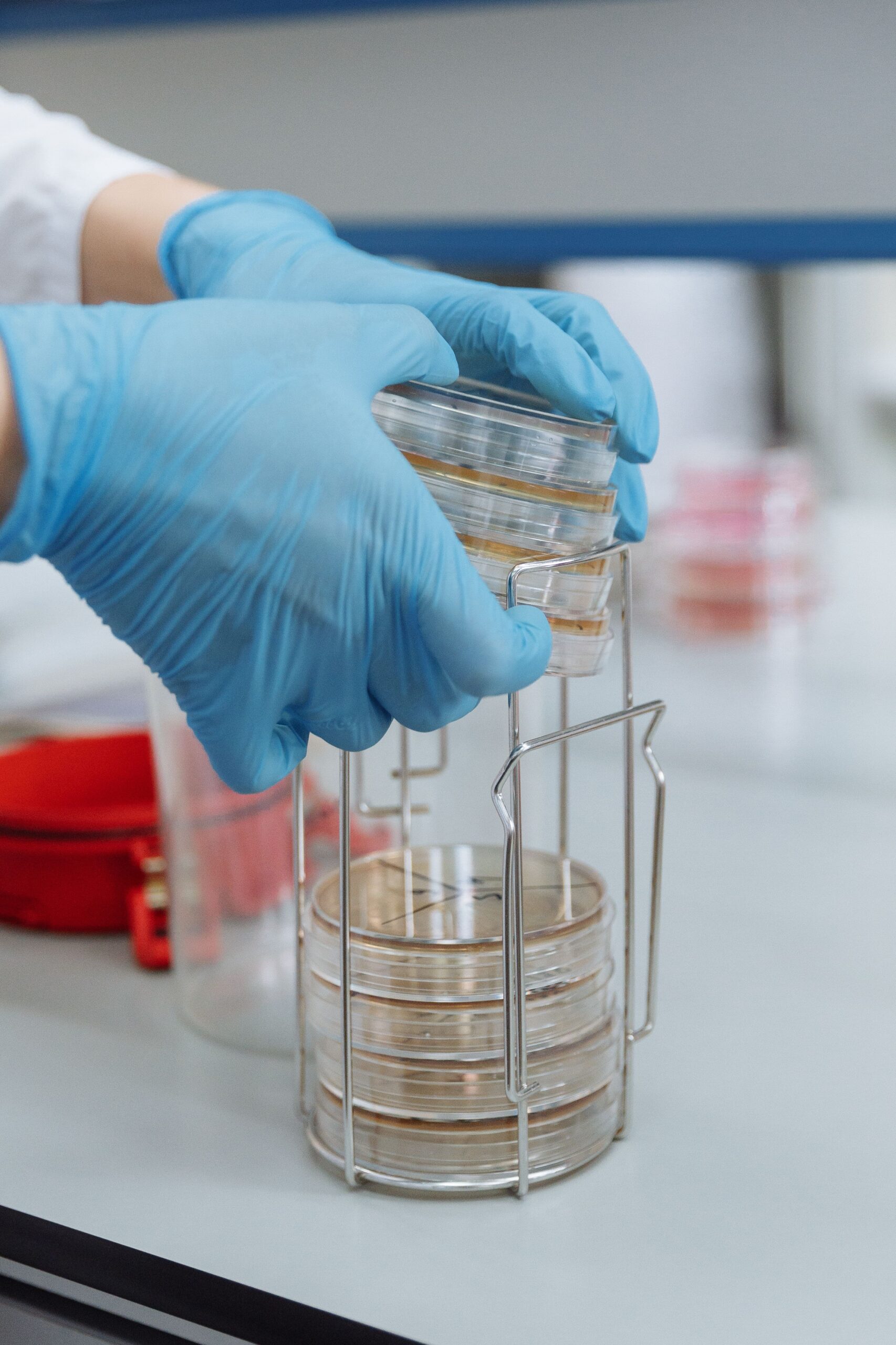
From Knowing to Doing
Learn to think through real biological problems.
The catalog links scientific investigation to laboratory methods, biological data, and responsible application.
Connect biological processes to biotechnology methods.
Approach laboratory tasks with safety and good practice.
Learn techniques used to investigate biological material.
Examine experimental information and biological data.
Consider the reliability and limitations of evidence.
Recognize ethical consequences of scientific applications.
Learning That Meets the Laboratory
Work with methods, not just descriptions.
Biotechnology includes catalog-listed laboratory techniques and an elective professional-experience option, with conditions set by the current curriculum.
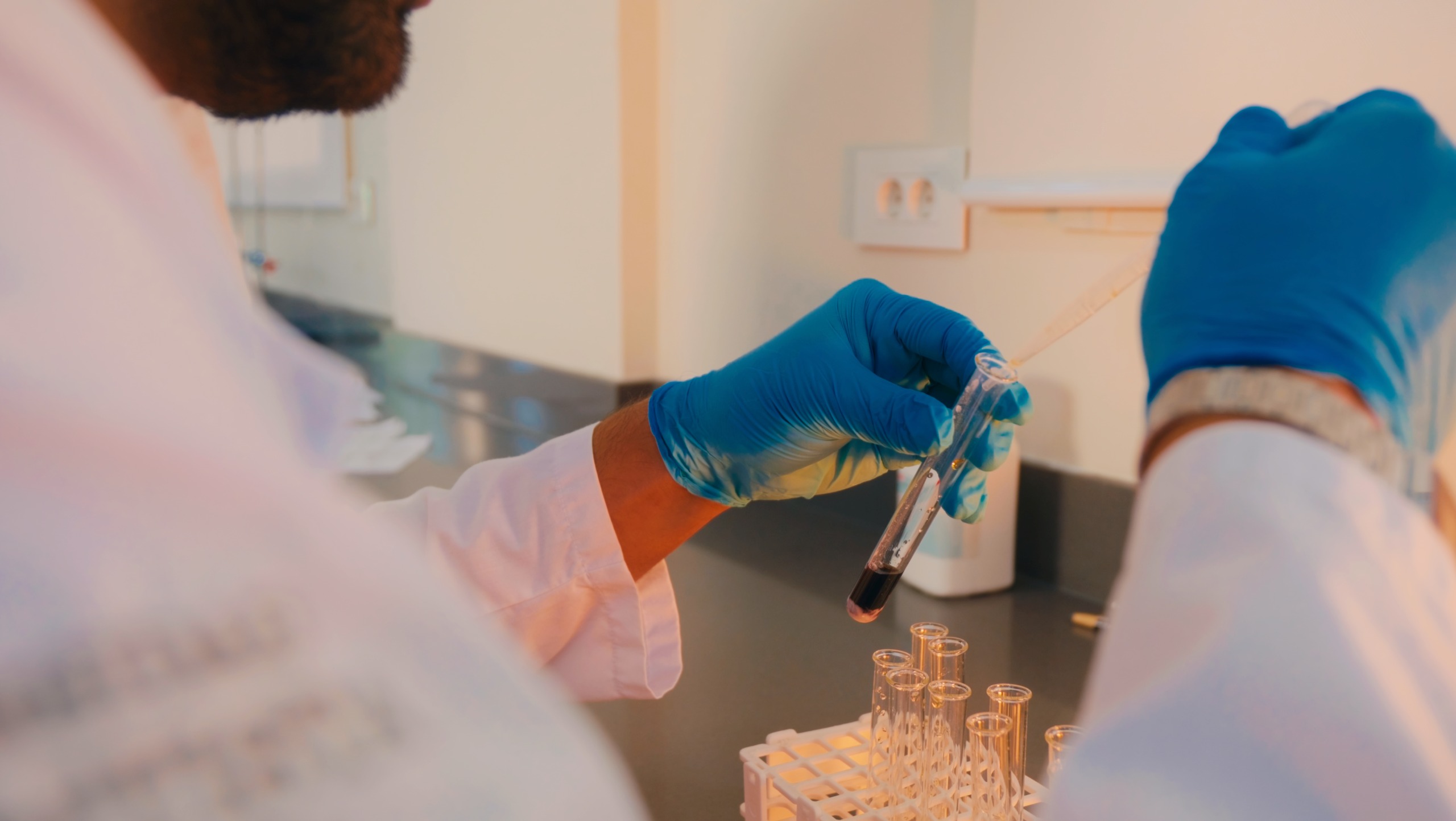
Biotechnology Methods
Connect DNA concepts with laboratory techniques.
Introduction to Biotechnology includes laboratory experience with methods such as bacterial transformation, DNA/protein gel electrophoresis, PCR, and DNA sequencing. Students explore how techniques support scientific questions.
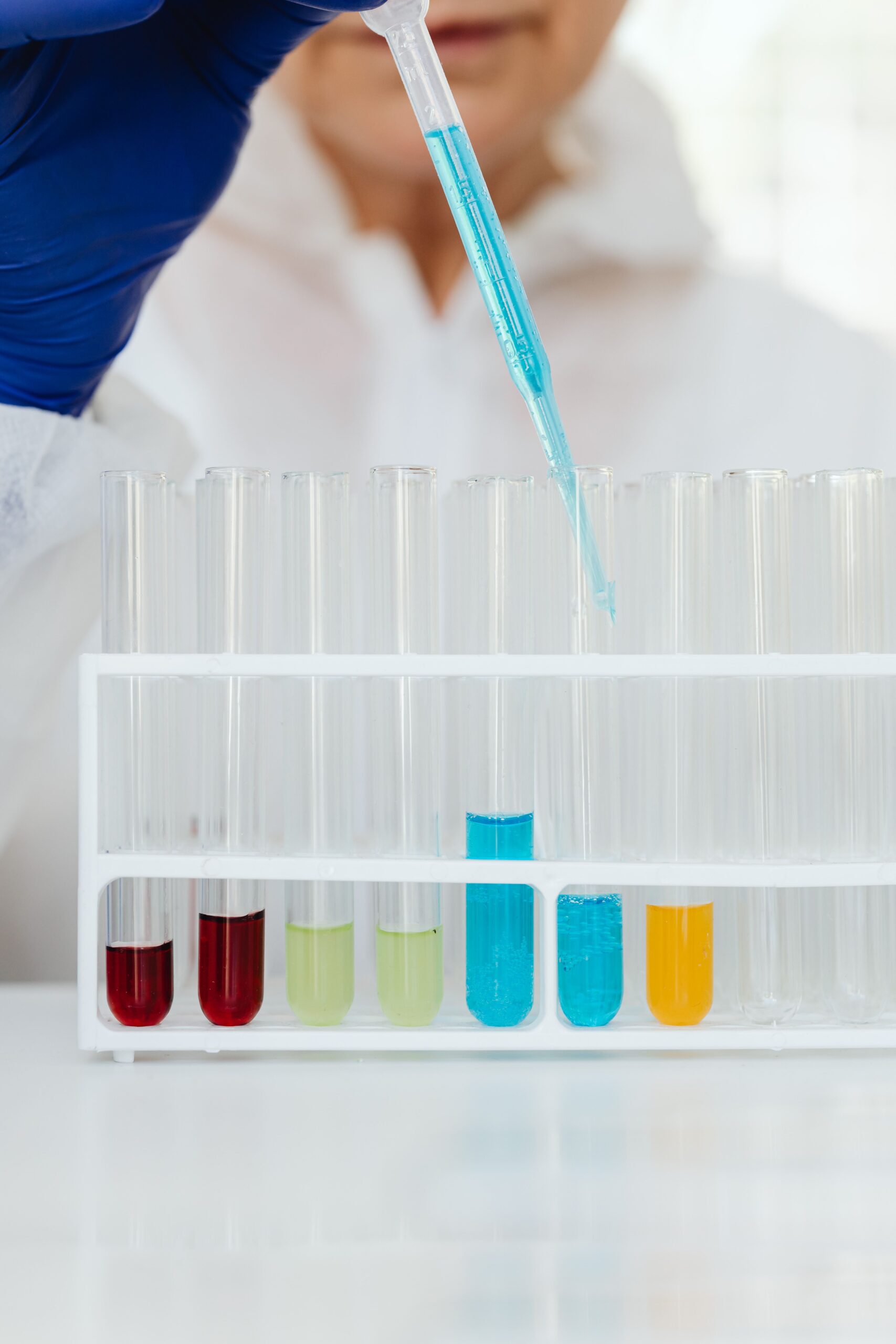
Industry-Oriented Preparation
Understand how scientists work responsibly.
Good Laboratory Practice introduces professional laboratory standards. The curriculum also lists Internship in Biotechnology as a course option; placement, eligibility, approval, and course choices must be confirmed with academic advising.
Your Learning Journey
From living systems to responsible application.
Your perspective develops as biological concepts become connected with techniques, data, professional standards, and wider questions of use.
Explore
Understand what living systems are made of.
Connect
See how microbes, genes, and molecules relate.
Practice
Engage with biotechnology methods in the curriculum.
Consider
Weigh data, laboratory standards, and ethics.
Apply
Explore industry-related paths and further study.
Your Next Chapter
Where could Biotechnology take you?
The MEU catalog presents Biotechnology as preparation for work in the biotechnology industry; it may also be used as a pre-med track.
Biotechnology knowledge is relevant to scientific laboratories and environments where researchers and organizations work with microorganisms, molecules, biological materials, and data. Potential directions include biotechnology-related laboratory work and further study in applied life sciences.
Students may also explore future studies involving molecular life sciences, bioinformatics or related fields. If medicine is your goal, this concentration may support a pre-med route, but medical-school entry requirements and decisions remain separate.
These are areas of potential development, not job or admission guarantees. Specific roles, professional licenses and graduate admissions may require additional qualifications.
Your curiosity. Practical directions.
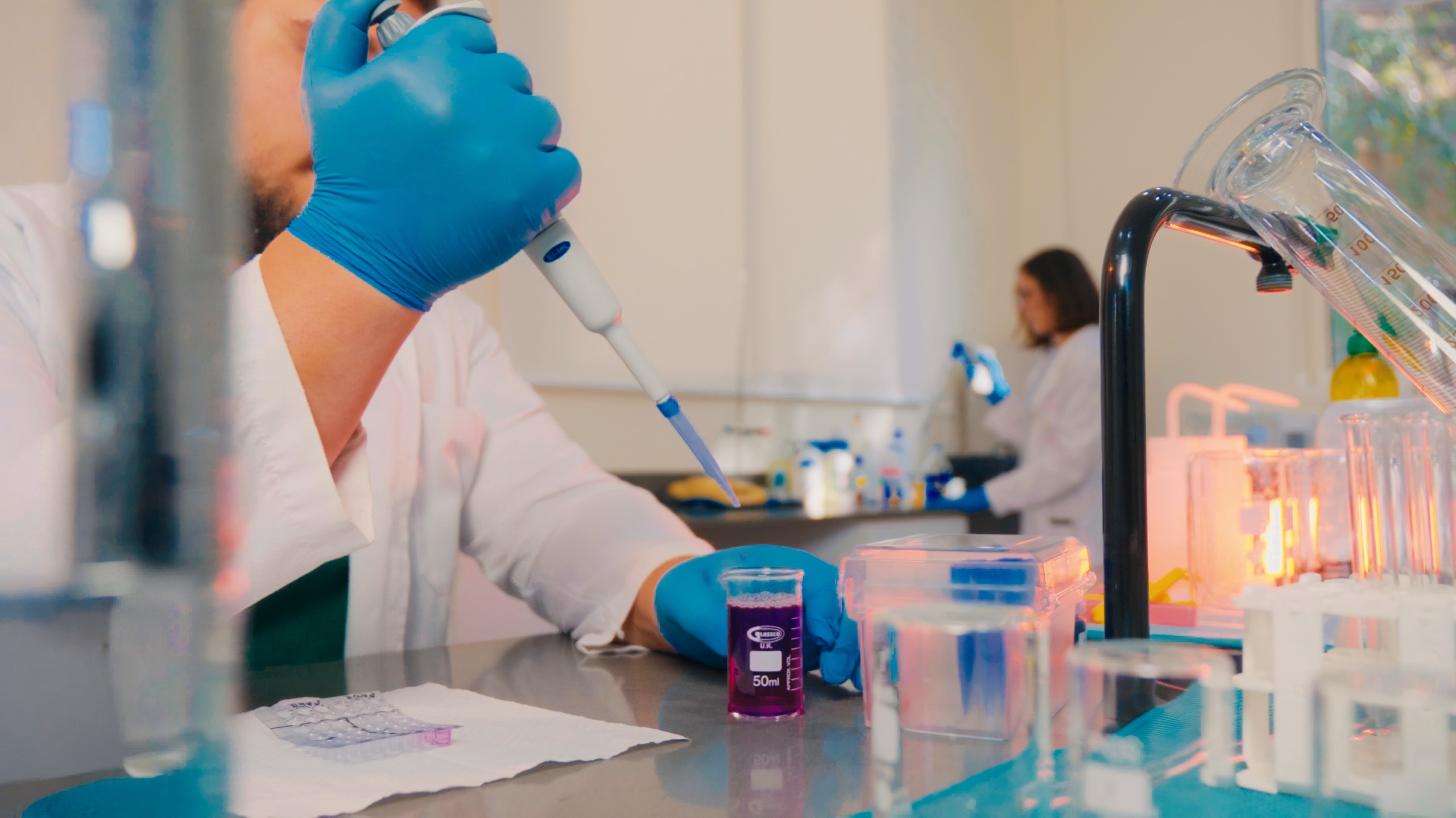
Why MEU?
Connect life sciences with technique, data, and responsibility.
MEU’s Biotechnology concentration links biological foundations with hands-on laboratory methods, bioinformatics and consideration of the ethical dimensions of scientific applications.
Biology Meets Practical Methods
Move from molecular biology and genetics into biotechnology techniques described in the MEU curriculum.
Data and Laboratory Standards
Explore bioinformatics and laboratory practice alongside microbiology, biochemistry, and scientific research design.
Science with Perspective
Engage with bioethics, scientific communication, and MEU’s commitment to responsible service.
Current Academic Requirements
Want to see the full curriculum?
For official course options, prerequisites, credit requirements, and academic policies, use MEU’s current Academic Catalog. Biotechnology is a concentration within the Bachelor of Science in Biology.
This page explains the subject and helps you explore your direction. The catalog remains the source of truth for current academic requirements.
Questions
Questions about Biotechnology?
Is Biotechnology a separate bachelor’s degree?
No. At MEU, Biotechnology is a concentration within the Bachelor of Science in Biology, not a separate degree.
How is Biotechnology different from Biomedical?
Biomedical places greater emphasis on preparation for medicine and biomedical graduate research, with human-health-related course choices. Biotechnology focuses on the application of biological science, laboratory techniques, bioinformatics, and preparation for the biotechnology industry.
Will I learn laboratory biotechnology techniques?
Yes. The current Introduction to Biotechnology course description includes laboratory work using methods such as bacterial transformation, PCR, gel electrophoresis, and DNA sequencing. Always check current course requirements in the official catalog.
Does Biotechnology include bioinformatics?
Yes. The concentration lists Bioinformatics, which introduces computational approaches to biological data, particularly genomics and proteomics.
Is an internship required for every Biotechnology student?
The current catalog lists Internship in Biotechnology among the concentration’s course options. It should not be treated as an automatic placement or as required for every student; consult the official study plan and academic advisor.
Can I use Biotechnology as a pre-med route?
Yes. MEU’s catalog identifies Biotechnology as a concentration that may be used as a pre-med track. This does not guarantee medical-school admission; review the requirements of each medical school.
Can I teach Biology after graduating?
The catalog allows either Biology concentration to be combined with the Teaching Diploma for preparation in secondary science teaching, subject to additional requirements.
Your Next Step
Want to study Biotechnology at MEU? Here’s what to do next.
Ready to get started? Begin your application today. Still have questions? Talk to our Admissions team and we’ll help you understand your next step.
View Current Academic Requirements →