
Bachelor of Business Administration · Management Concentration
Management
From people to processes, learn how organizations work — and how to help them work better.
Explore how people, resources, decisions, and processes come together inside an organization. Learn to organize work, solve problems, improve performance, and turn plans into action.
Management at MEU
Management is more than learning how to lead.
Organizations depend on much more than one person making decisions. They need people, resources, processes, information, and goals to work together.
Management helps you understand those connections. You explore how people behave at work, how organizations structure and coordinate what they do, how operations affect performance, and how managers make decisions when priorities compete.
Leadership is part of that picture — but Management is also about organizing, improving, solving problems, and helping an organization turn plans into action.
Coming soon — we are working on it.
Management at a Glance
See what Management brings together.
Management combines a broad business foundation with a closer look at people, organizations, operations, decisions, and improvement.
See the Whole Business
Build a broad business foundation and see how the different parts of an organization fit together.
Understand People at Work
Explore how people, teams, and workplace environments influence organizational performance.
See How Work Gets Done
Understand how operations, quality, resources, and everyday processes shape results.
Move from Ideas to Action
Apply what you learn through simulation, entrepreneurship, strategy, and professional experience.
Your Management Foundation
See the whole business before you learn to manage the parts.
Good management decisions rarely belong to only one part of a business. A decision about people may affect costs. A change in operations may affect customers. A new idea may require marketing, finance, data, and people to work together.
That is why Management at MEU is part of a broad BBA foundation. You build an understanding of areas such as accounting, economics, finance, marketing, data, business law and ethics, and the wider business environment — then learn to look across those areas from an organizational perspective.
The goal is not simply to know what each part does. It is to understand how the parts connect when an organization needs to make a decision, solve a problem, or improve the way it works.
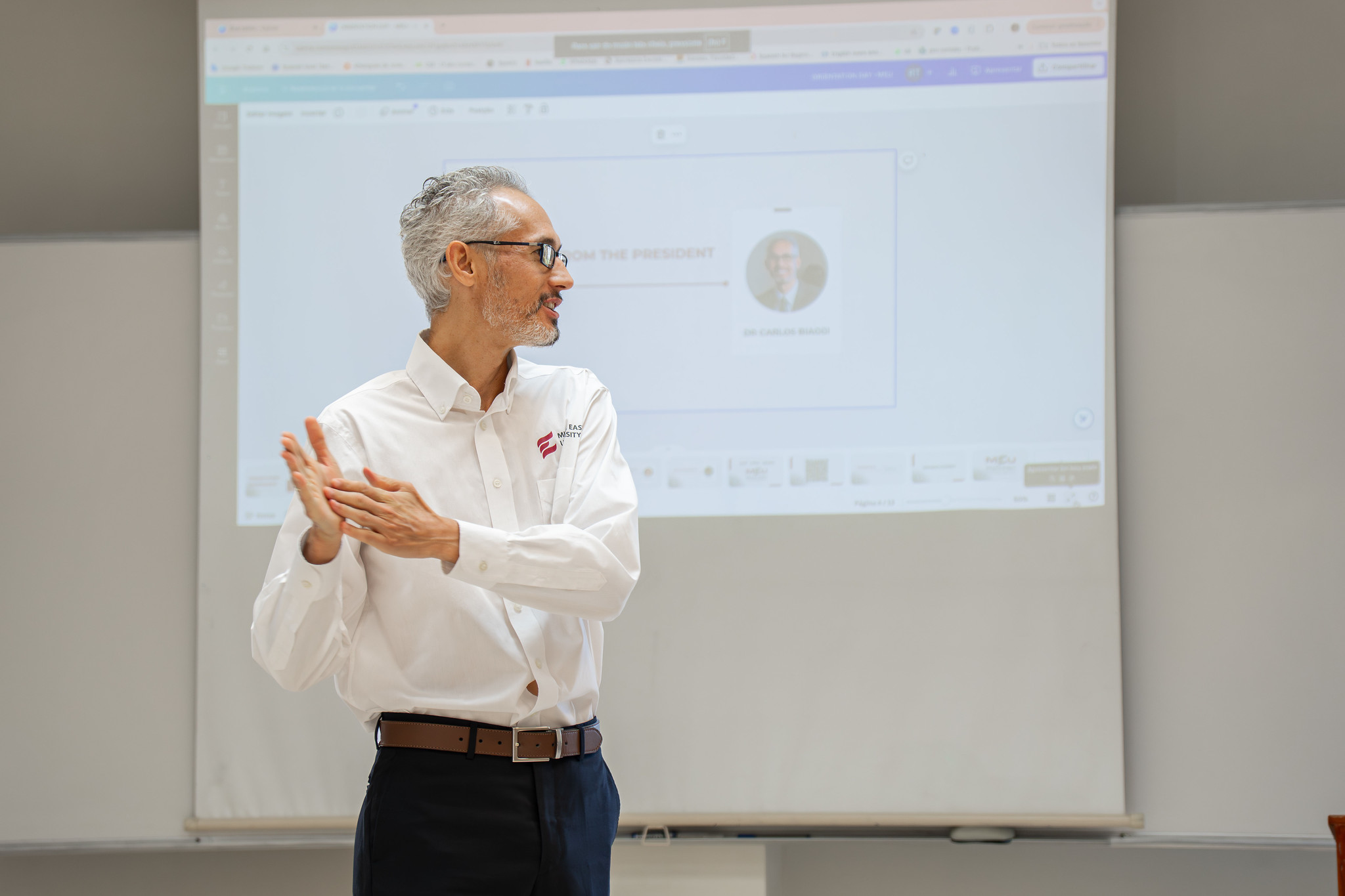
From Knowing to Doing
Learn to connect people, decisions, and work.
These are the kinds of capabilities you can develop as you learn to understand organizations and the choices they face.
Look at organizational problems, performance, people, and information before deciding what needs attention.
Bring resources, responsibilities, and activities together around clear goals and priorities.
Help people, teams, and different parts of an organization work together instead of in isolation.
Compare options, consider consequences, and make business decisions when several priorities matter at once.
Look for ways to strengthen processes, quality, operations, and organizational performance.
Connect knowledge from different areas of business when solving organizational and strategic problems.
Learning Beyond Theory
Practice Management by making decisions.
Management becomes easier to understand when you have to choose, organize, respond, and improve — not only describe what a manager might do. The BBA includes ways to move from business concepts into application.
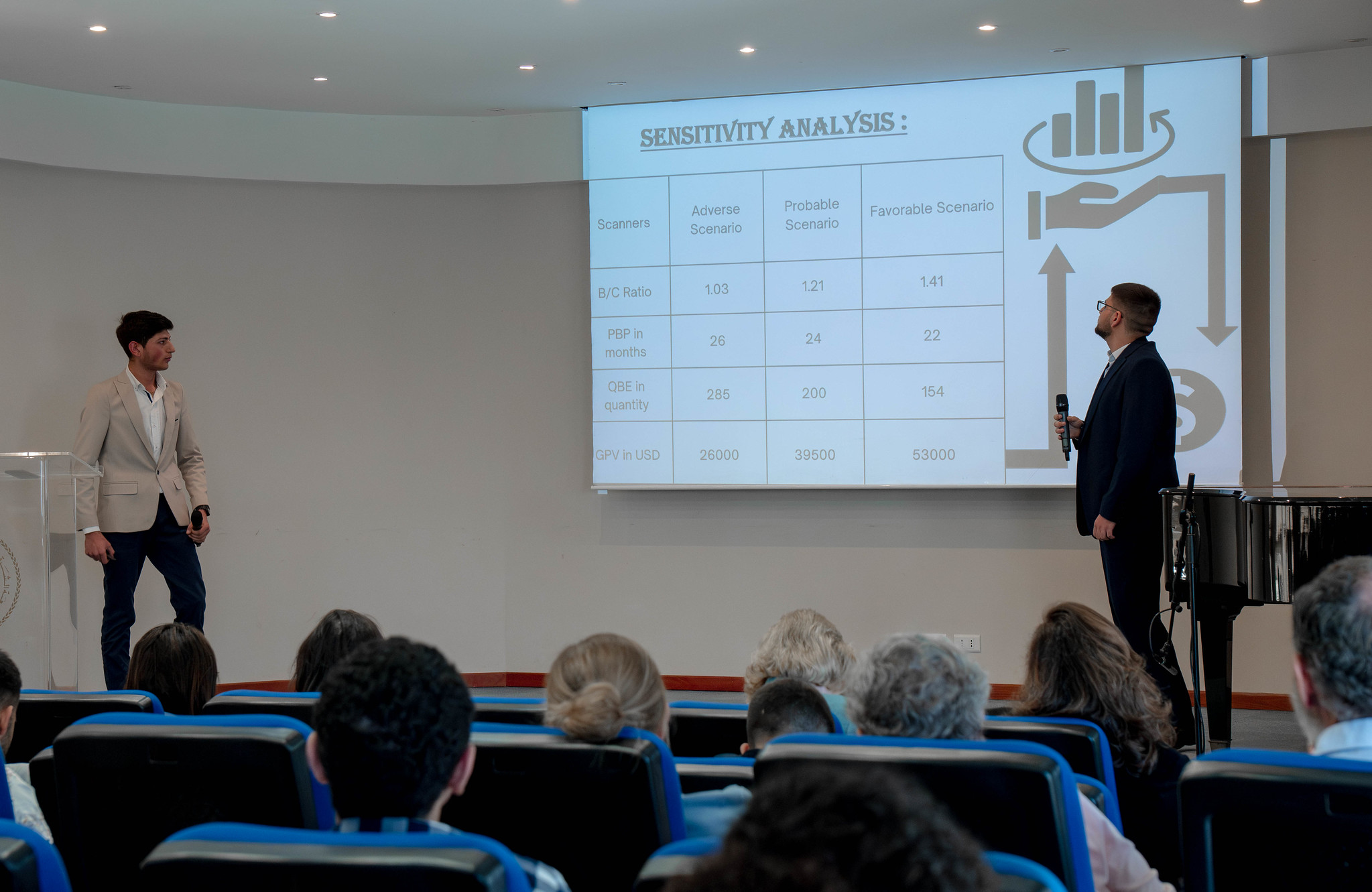
Applied Business Learning
Test decisions. Build ideas. Solve organizational problems.
Business Simulation Modeling places you in changing business situations where decisions in management, marketing, finance, human resources, and ethics interact. You take on managerial roles, use information, and see how a decision in one area can affect another.
Entrepreneurship adds another challenge: moving an idea toward something workable. Through the BBA's entrepreneurship experience, students explore feasibility, development, and the steps involved in building a venture.
Business Strategy and Decisions brings different areas of business together around strategic and organizational problems, including the development of a strategic plan for a real company.

Professional Experience
Take what you learn into a working organization.
The Management concentration includes an Internship in Business, giving you the opportunity to connect academic preparation with an approved professional environment.
The experience helps you understand workplace expectations, responsibilities, communication, and organizational realities from inside a business setting, with academic supervision.
Your Learning Journey
Learn to see the organization differently.
Your perspective grows from understanding individual areas of business to recognizing connections, weighing priorities, and building the judgment to approach organizational problems thoughtfully.
Foundation
Understand the main areas of business and how an organization operates.
Connection
See how people, money, markets, information, and operations affect one another.
Perspective
Consider human, operational, entrepreneurial, ethical, and international aspects of management.
Judgment
Weigh goals, trade-offs, consequences, resources, and people when making decisions.
Direction
Discover the kinds of organizations, problems, and professional areas that interest you.
Your Next Chapter
Management matters across industries.
Management is not limited to one kind of business. From hospitals and schools to industry, commerce, nonprofits, public institutions, and startups, organizations need people who can coordinate resources, support teams, and improve operations.
With a Management concentration, you can explore different professional paths depending on your interests, experience, and further preparation.
Areas you may explore
Career paths vary by industry and experience. Some specialized roles, including those in healthcare or education, may require additional qualifications or licensing.
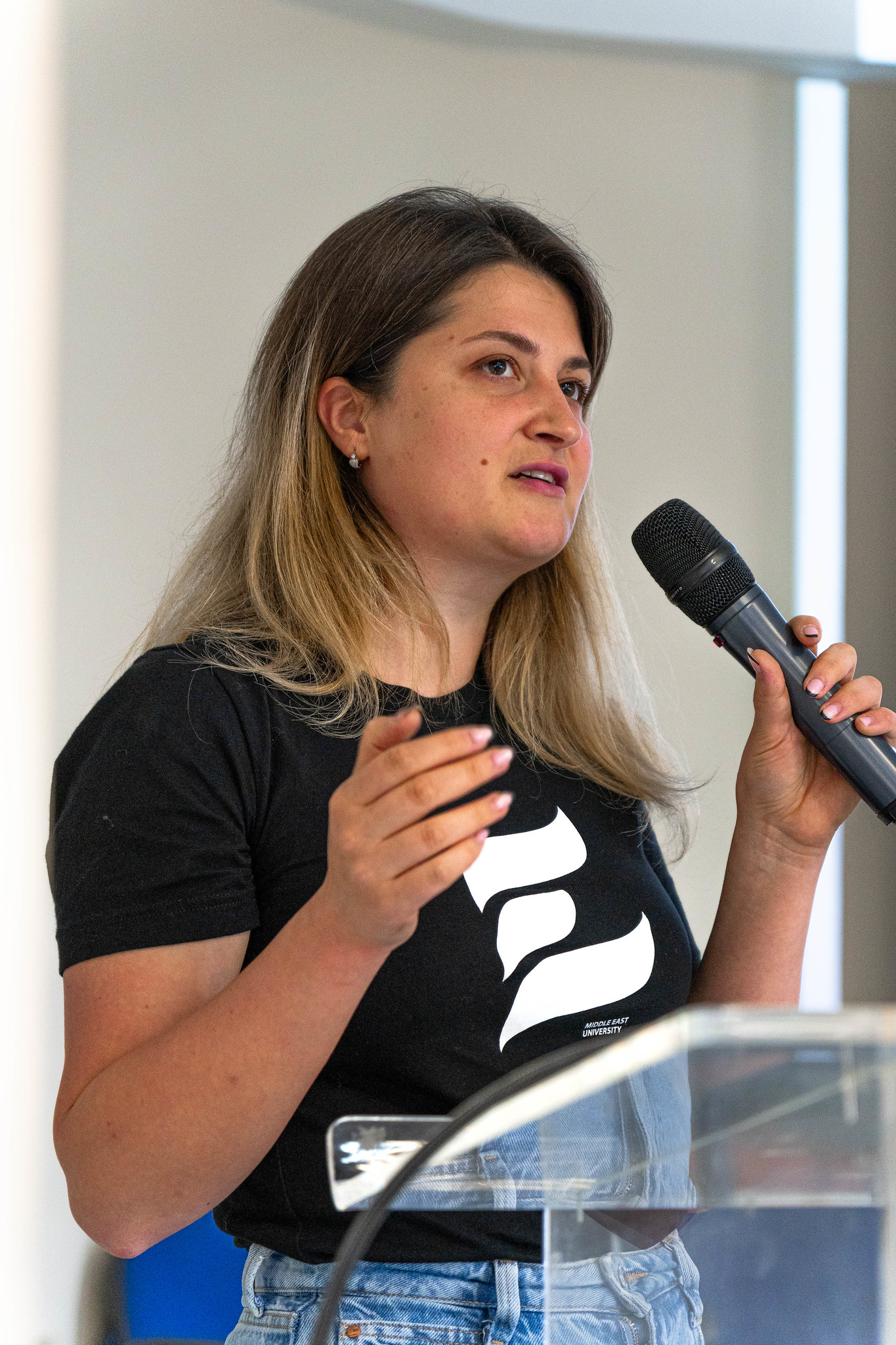

Why Management at MEU?
A more personal way to learn Management.
At MEU, learning Management means more than studying business concepts. A smaller learning environment creates more room to participate, ask questions, interact with professors, and connect what you learn with practical business challenges.
Small Classes. Closer Connections.
Learn in an environment where there is more room for discussion, questions, and direct interaction with professors, with academic guidance available throughout your studies.
Learn Through Real Business Challenges
Make decisions through business simulations, develop entrepreneurial ideas, and apply your knowledge through strategy work and professional experience.
Connect Business with Purpose
Consider how business decisions affect people and communities while developing responsibility, teamwork, integrity, and a service-oriented approach to management.
Current Academic Requirements
Want to see the full curriculum?
The official MEU Academic Catalog contains the current Management concentration requirements, course descriptions, prerequisites, credit requirements, elective options, internship requirements, and other academic details. Because curricula and academic requirements may be updated, the Academic Catalog is the official source for the most current information.
Questions
Questions about Management?
What is Management?
Management is the study of how organizations coordinate people, resources, decisions, and processes to achieve their goals. It includes how work is organized, how teams function, how operations are managed, how decisions are made, and how organizations can improve.
Is Management the same as Business Management?
“Business Management” is a common way to describe this general field, but universities use different program names. At MEU, the official program is the Management concentration within the Bachelor of Business Administration (BBA).
What is the difference between Business Administration and Management?
Business Administration is the broader degree. It gives you a foundation across major areas such as accounting, economics, finance, marketing, management, and data. Management is one concentration within the MEU BBA and looks more closely at how people, resources, processes, and decisions work together inside organizations.
What is the difference between Management and International Business?
Management focuses on how organizations work — including people, operations, resources, performance, and decision-making. International Business focuses more specifically on business across countries, markets, and cultures. Management at MEU includes International Management, but international business is not its central focus.
Does Management at MEU include practical experience?
Yes. The BBA includes applied learning through business simulation, entrepreneurship, and strategic problem-solving, while the Management concentration includes an Internship in Business. For current internship eligibility and academic requirements, check the official Academic Catalog.
In what industries and organizations can I use Management?
Management knowledge may be relevant in commercial businesses, industrial organizations, hospitals and healthcare organizations, schools and universities, nonprofit organizations, public institutions, and startups — particularly in administrative, operational, and people-management functions. Specialized professional roles may require additional credentials.
What can I do with a Management concentration?
Depending on your interests, experience, and further preparation, you may explore management and administration, business operations, human resources, organizational improvement, business development, consulting, or entrepreneurship. The specific roles available vary by sector, qualifications, and experience.
Your Next Step
Want to study Management at MEU? Here's what to do next.
Ready to get started? Begin your application today. Still have questions? Talk to our Admissions team and we'll help you understand your next step.
View Current Academic Requirements →