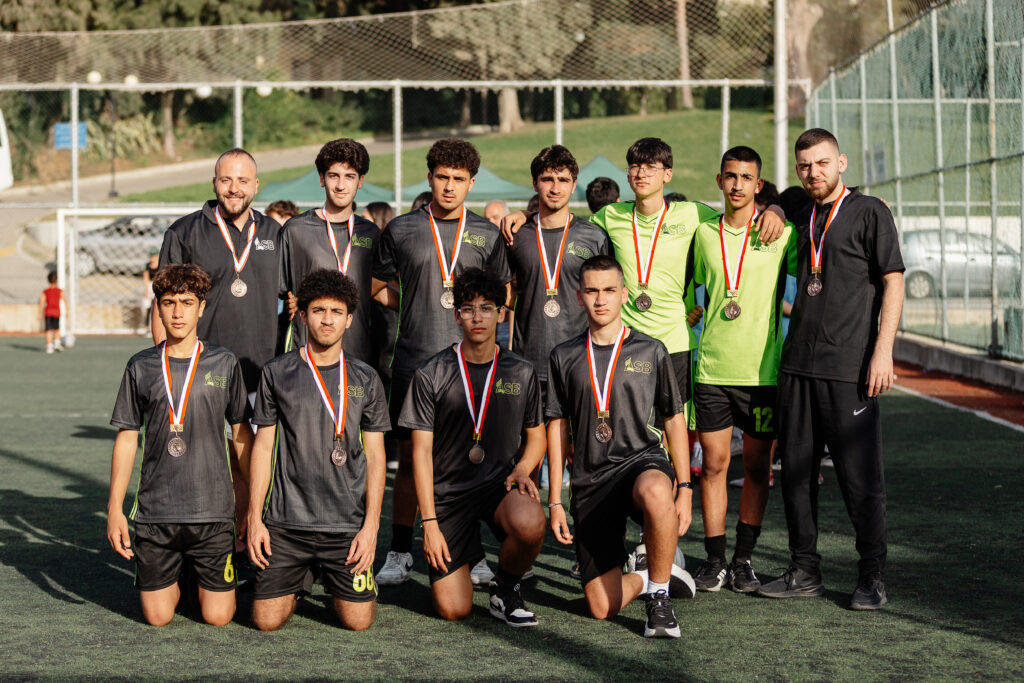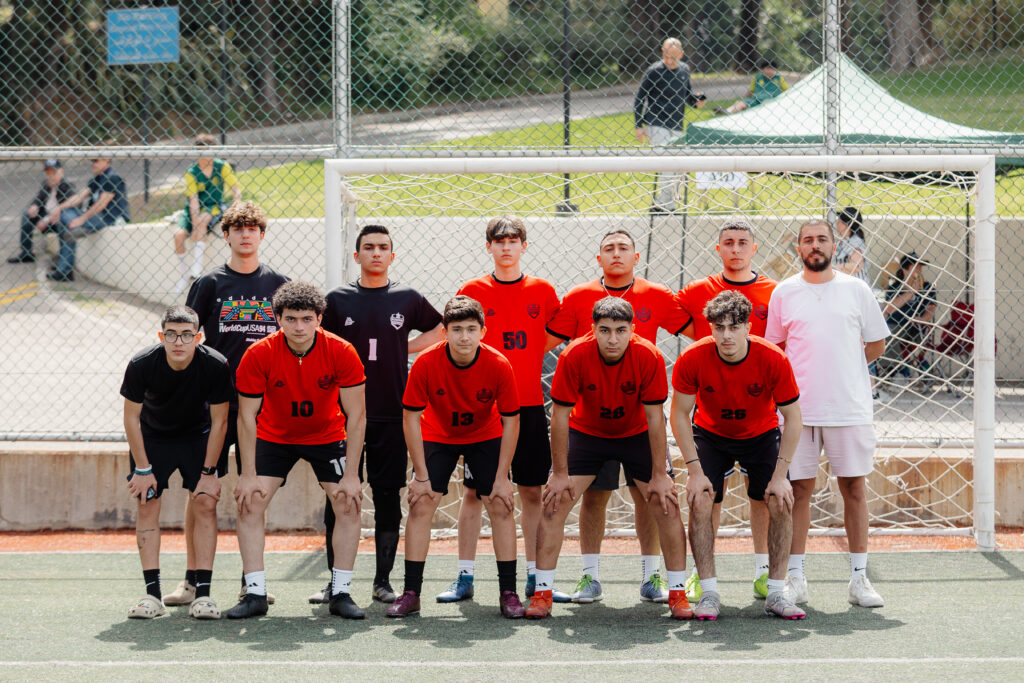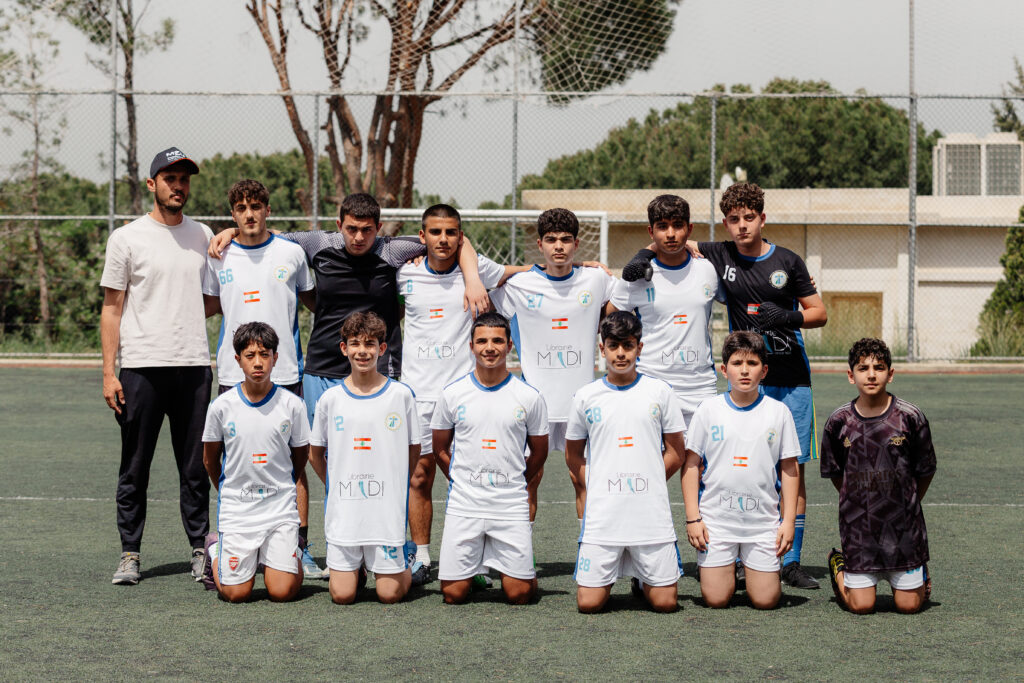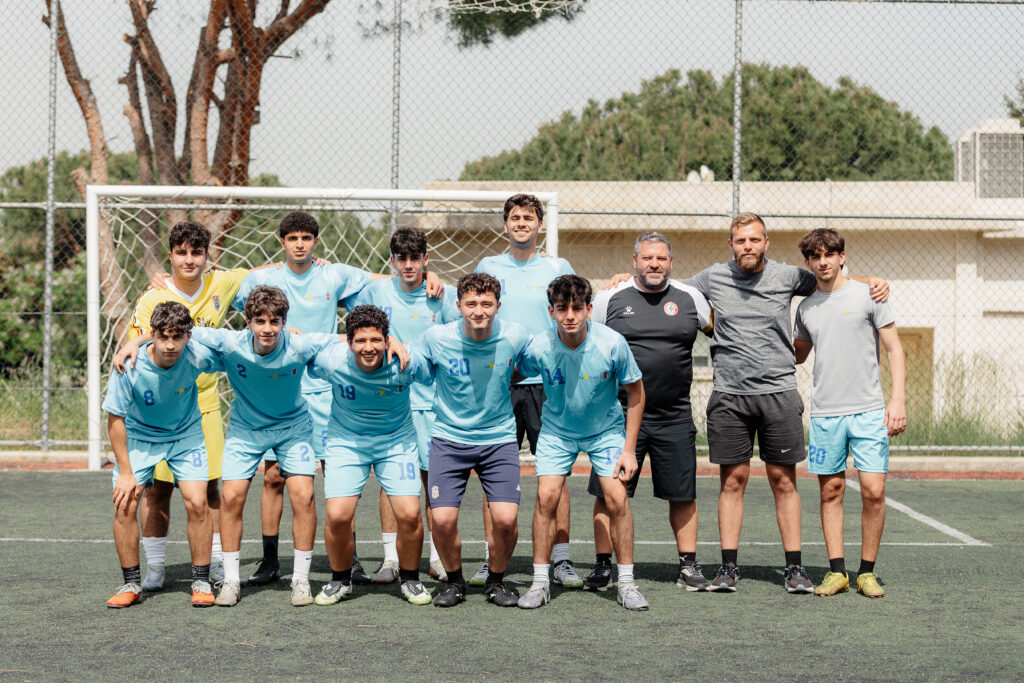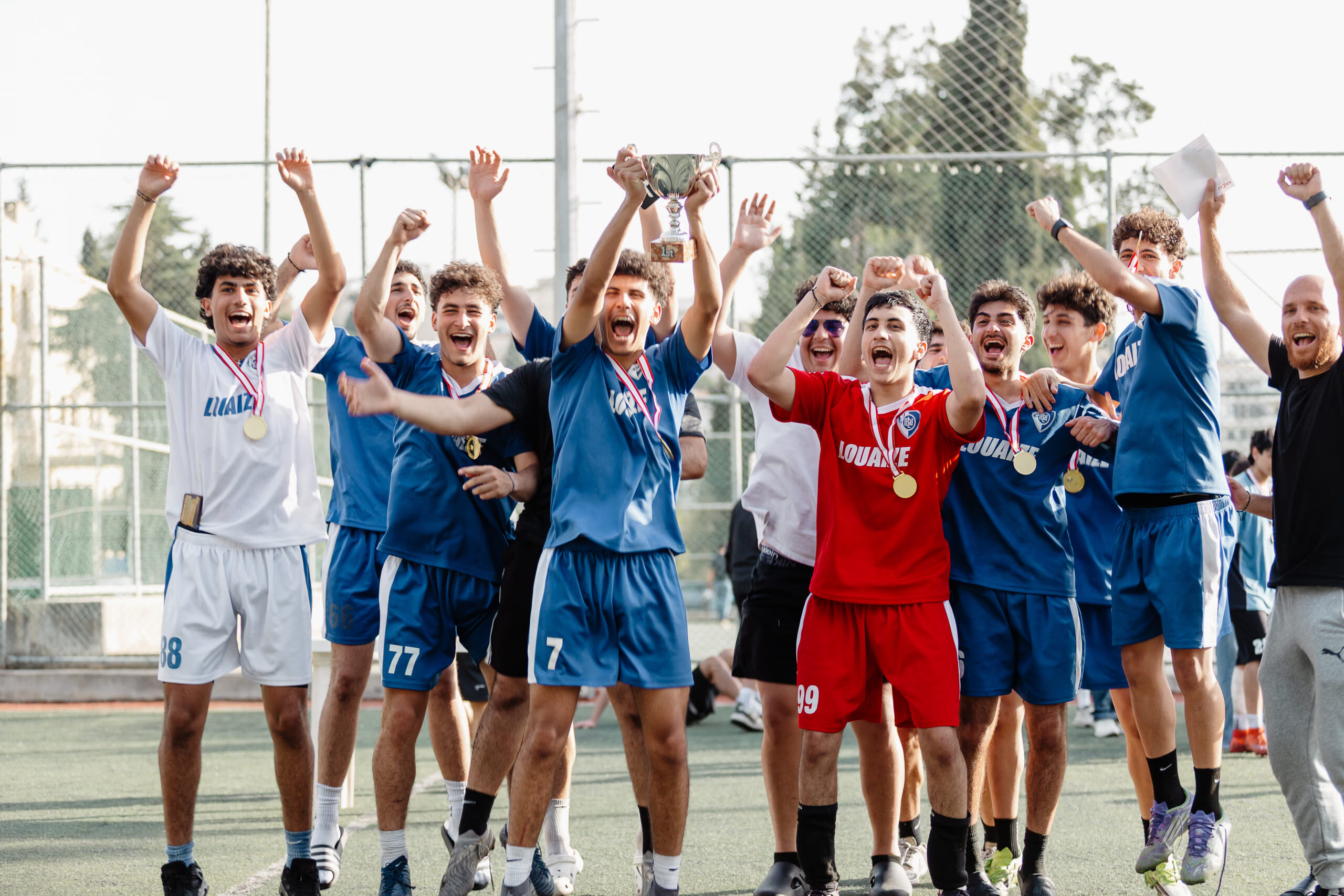
On Sunday, April 26, 2026, the campus of Middle East University welcomed students from different schools for a day marked by football, connection, and shared moments. The tournament came from a partnership between Adventist School Bouchrieh (ASB) and MEU — with the idea of bringing students together to play, spend time with one another, and enjoy the campus with their friends.
Students from Adventist School Bouchrieh (ASB), Carmelite Fanar, Cedars High School, Collège Notre Dame Louaize, Antonine Sister School Roumieh, and Collège Mont La Salle took part in the event. Each team represented its school in football matches that were competitive, yet always respectful, creating an atmosphere that felt both lively and relaxed.
Football was at the center of the day — but many of the best moments happened in between games. Students enjoyed the campus with their friends, sitting on the grass, eating together, walking around, or simply taking a break between matches. It was a day to be together, with sports bringing people closer and creating space for new friendships.
MEU students, especially the graduating class of 2026, were directly involved in organizing the event — welcoming visitors, showing them around campus, and taking care of food and beverages. They carried out this role very well, receiving guests and making sure everyone felt comfortable and able to enjoy the tournament.
It was rewarding for the organizers to see students from different schools mixing naturally, talking, laughing, and enjoying the moment together.
By the end of the day, what remained was not only the results of the matches, but the experience itself — shared moments and new connections created on a campus that felt open and welcoming. In many ways, this reflects what MEU seeks to offer: a place where learning, community, and meaningful experiences come together.