
Bachelor of Science in Biology · Biomedical Concentration
Biomedical
Understand human life more deeply. Prepare for what comes next.
Biology can help you understand how the human body works, how diseases are studied, and how scientists investigate health. Follow the Biomedical concentration within MEU’s BS in Biology as a foundation for medical-school applications or graduate biomedical research.
A Closer Look at Human Health
Medicine begins with questions about life.
Why do our cells behave the way they do? How does the immune system respond to threats? What can the study of tissues, genes, and body systems tell us about health?
Biomedical is the concentration of the BS in Biology that brings these questions together. You build a foundation in life sciences and explore biological processes related to the human body while developing the habits of scientific investigation.
Program film coming soon — we are working on it.
The Essentials
Biomedical at a glance.
Explore the questions, knowledge, and directions that define this concentration.
Human Biology
Explore how cells, tissues, and body systems function.
Molecular Foundations
Connect genetics, molecular biology, and chemistry.
Scientific Thinking
Ask questions, evaluate evidence, and communicate findings.
Future Directions
Build toward medical-school applications or biomedical graduate study.
Your Biomedical Foundation
Look beyond symptoms. Understand biological systems.
To understand health, you first need to understand life at many different levels.
Start with the foundations of biology and chemistry. Explore how cells function, how genetic information is expressed, and how the body maintains balance through interconnected systems.
As you follow the concentration, available course choices deepen that perspective through areas such as human physiology, immunology, histology, cell biology, and biochemistry. You also learn how researchers design studies and evaluate scientific data.
From Knowing to Doing
Learn to ask better questions about health.
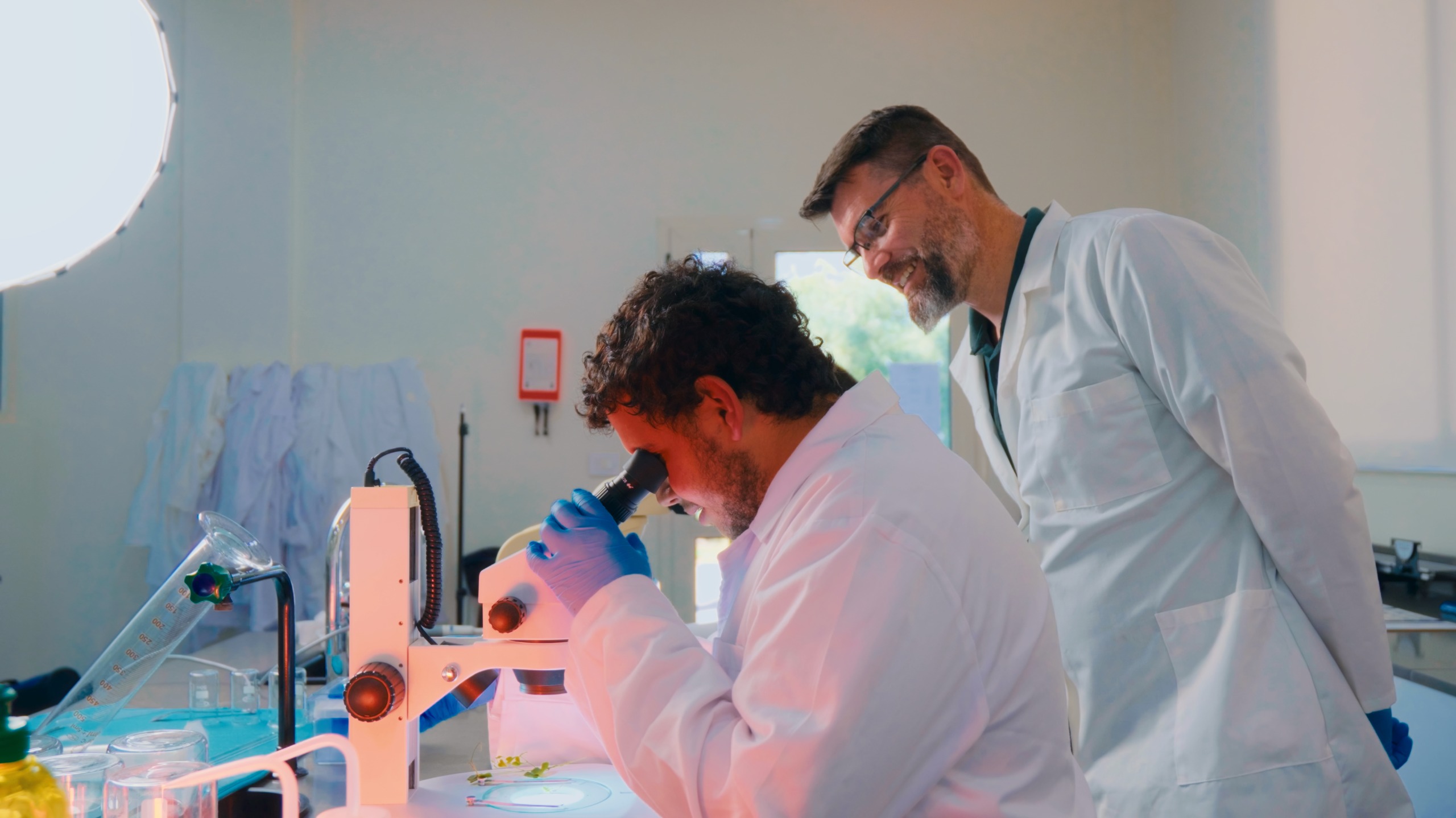
Scientific progress depends on more than memorizing facts. MEU’s Biology learning outcomes emphasize observation, experimentation, evidence, and communication.
Identify patterns in living systems and scientific information.
Form hypotheses about biological processes.
Connect a question to experiments and research methods.
Interpret observations and data with care.
Communicate biological findings clearly.
Consider ethics, human well-being, and scientific responsibility.
Learning Beyond a Textbook
See how biological knowledge becomes investigation.
The Biomedical route combines a common Biology laboratory foundation with coursework related to human health. Some deeper topics depend on the courses selected within the concentration.
Science in the Laboratory
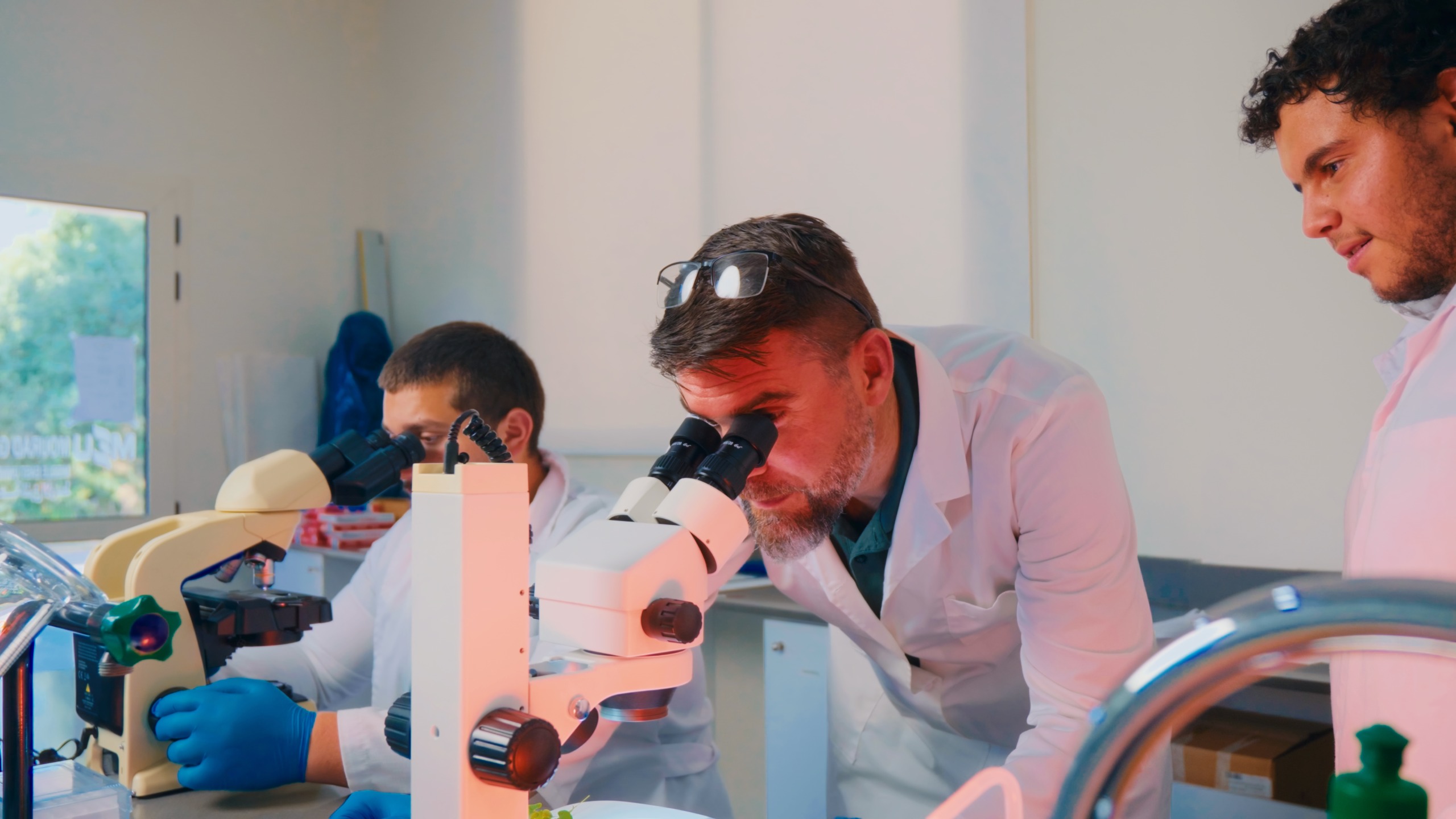
Practice looking closely at living systems.
The shared Biology curriculum includes laboratory-based genetics and molecular biology. Depending on course selection, students may also engage with laboratory methods in human physiology or histology.
Human Health Foundations
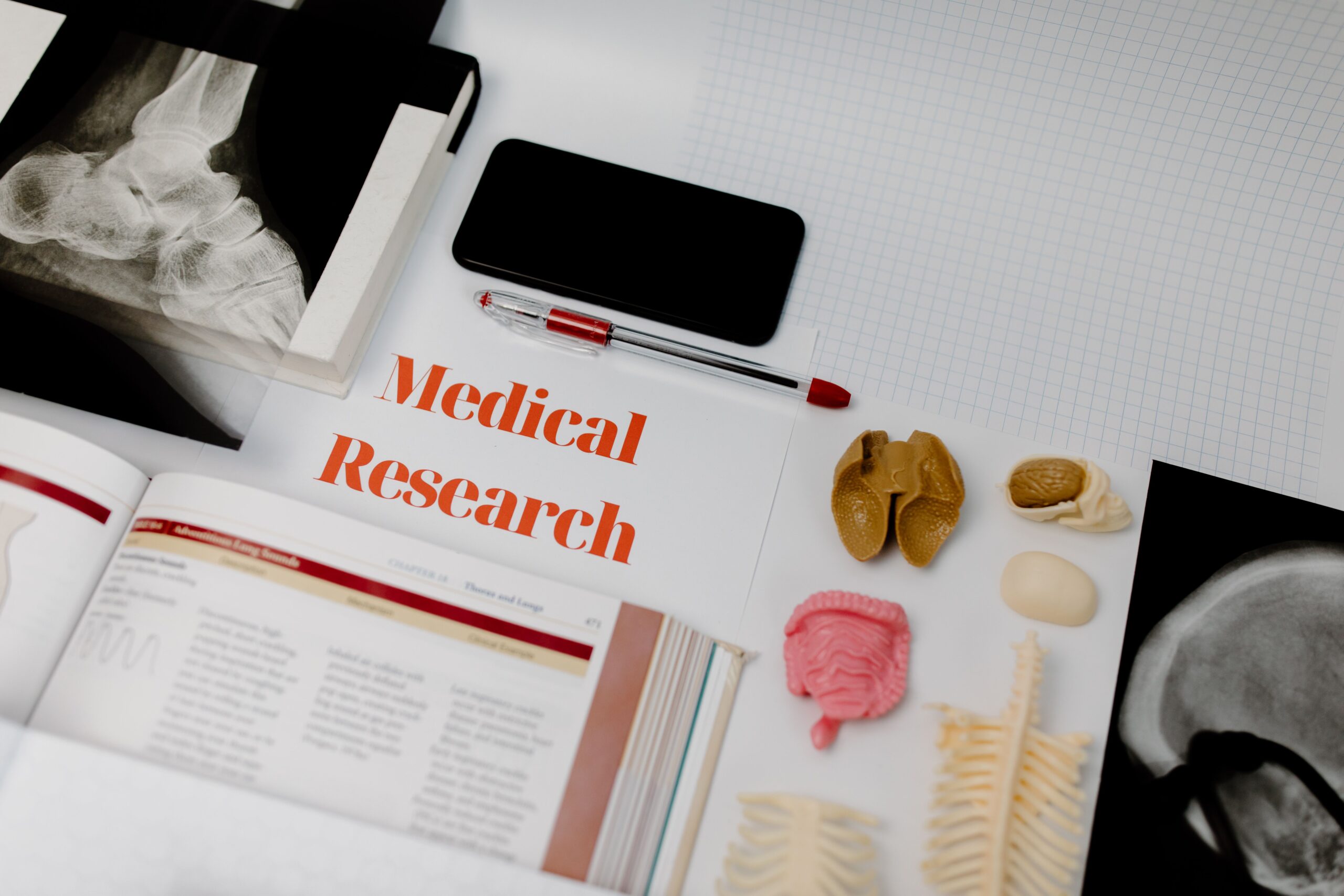
Connect biology with health-related skills.
The department core includes Human Health Clinical, which covers basic health assessment, reliable health information and introductory vital-sign skills. It is not a medical qualification or a clinical placement program.
Your Learning Journey
From understanding life to exploring health sciences.
There is no single professional destination you have to choose on day one. Your perspective grows as scientific knowledge becomes more connected.
Discover
See the breadth of living systems.
Connect
Relate genes, cells, tissues, and body systems.
Investigate
Build confidence in scientific questions and evidence.
Focus
Explore the human-health topics that interest you.
Prepare
Consider next steps in medicine or research.
Your Next Chapter
Where could Biomedical take you?
The MEU catalog describes Biomedical as preparation for medical school or graduate research in the biomedical field.
If medicine interests you, use your BS in Biology to build a scientific background while checking the admissions requirements of the medical schools you hope to apply to. Medical-school selection, prerequisite courses, exams, and eligibility are set by those schools.
If you are more interested in research, this concentration can support further academic study in biology and biomedical sciences. A Biology graduate may also explore science-related environments where laboratory understanding, communication, and research literacy matter. Individual positions can require additional study, certification, or experience.
These are areas of potential development, not job or admission guarantees. Specific roles, professional licenses and graduate admissions may require additional qualifications.
Your foundation. Several directions.
Why MEU?
Study human biology with a foundation in inquiry and responsibility.
At MEU, Biomedical is part of a BS in Biology designed to connect scientific foundations with observation, experimental thinking, communication, and a perspective shaped by service.
A Real Biology Foundation
Study genetics, molecular biology, chemistry, and scientific research methods before moving deeper into human-health questions.
Laboratory-Based Learning
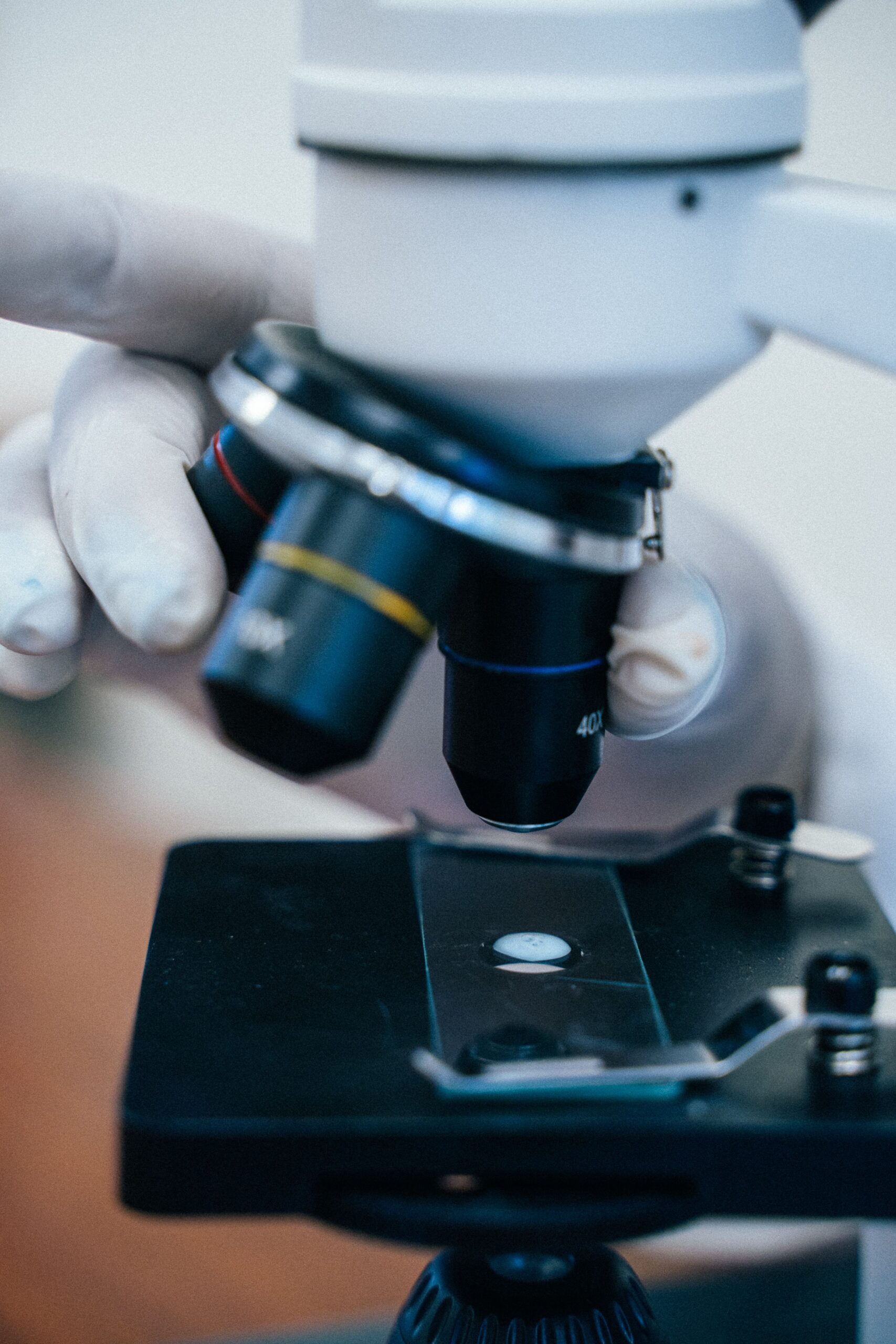
Develop understanding through catalog-listed biology laboratories, supported by scientific reading, writing, and data interpretation.
Science with Responsibility
Consider questions of ethics, social responsibility, and faith as part of how you understand and use scientific knowledge.
Current Academic Requirements
Want to see the full curriculum?
For official course options, prerequisites, credit requirements, and academic policies, use MEU’s current Academic Catalog. Biomedical is a concentration within the Bachelor of Science in Biology.
This page explains the subject and helps you explore your direction. The catalog remains the source of truth for current academic requirements.
Questions
Questions about Biomedical?
Is Biomedical a separate bachelor’s degree?
No. The official degree is the Bachelor of Science in Biology. Biomedical is one of two concentrations within that degree.
Is Biomedical the same as studying medicine?
No. Biomedical is undergraduate Biology study designed to prepare students for medical-school applications or graduate biomedical research. It does not award an MD or qualify graduates to practice medicine.
Does the Biomedical concentration guarantee admission to medical school?
No. Medical schools determine their own admissions criteria, required courses, examinations, and selection decisions. Review your target schools’ requirements with an academic advisor.
What will I learn about the human body?
The Biomedical concentration offers course choices related to human physiology, cell biology, immunology, histology, biochemistry and more. Your actual selection follows the current MEU Academic Catalog.
Will I get laboratory or clinical experience?
The shared Biology curriculum includes laboratory-based science and Human Health Clinical, which teaches basic health assessment. This is not the same as a professional clinical rotation or medical internship.
Can I become a secondary-school science teacher?
The MEU catalog states that either Biology concentration may be combined with the Teaching Diploma for secondary science teaching. Additional diploma and professional requirements apply.
Your Next Step
Want to study Biomedical at MEU? Here’s what to do next.
Ready to get started? Begin your application today. Still have questions? Talk to our Admissions team and we’ll help you understand your next step.
View Current Academic Requirements →