
Bachelor of Science
Information Systems
Learn programming. Build systems. Solve real problems.
Learn programming, web development, databases, data analytics, networks, cybersecurity, and how to build technology that helps businesses and organizations work better.
Technology That Solves Real Problems
Information Systems is where programming meets the real world.
A good system is more than code. It helps people work, keeps information organized, connects different parts of an organization, and supports better decisions.
MEU's Bachelor of Science in Information Systems is a technology-focused degree with business knowledge built in. You learn how to create, connect, secure, improve, and manage digital systems that people and organizations use every day.
Coming soon — we are working on it.
Program Overview
Information Systems at a glance.
Bachelor of Science
Build strong technology skills while learning how those skills are used in businesses and organizations.
Technology-Focused
Learn programming, web development, databases, data analytics, networks, cybersecurity, and how to make different technologies work together.
Build a Complete System
Use what you have learned to plan, build, test, document, and present a complete technology solution.
Professional Internship
Use your skills in a real workplace and see how technology is used to solve everyday problems.
What You'll Learn
Start with programming. Then learn how the pieces connect.
You begin with programming and problem-solving: learning how to write code, build applications, and understand how software works.
As you progress, you move into web development, databases, data analytics, networks, cybersecurity, and systems design. You learn how to connect these areas and use them to solve real problems for users and organizations.
You also learn how businesses and organizations work — how they make decisions, manage resources, serve customers, and organize their work. That helps you build technology that actually fits what people need.

How Information Systems Works
A good system is more than code.
Information Systems looks at the whole picture. The technology has to work, but it also has to make sense for the people using it and the organization that depends on it.
Who will use it, and what should be easy for them to do?
What work needs to become faster, easier, or more organized?
What information needs to be stored, organized, analyzed, and protected?
What software, networks, devices, or systems need to work together?
How can the system help the organization work better and make better decisions?
From an Idea to a Working System
Learn how a technology solution is built from start to finish.
Understand the problem, who will use the system, and what the solution needs to do.
Plan how the system, screens, data, and different parts should work together before you build it.
Write code and create applications that turn your plan into something people can actually use.
Organize and analyze data so it becomes useful information for real decisions.
Learn how to protect systems, control access, and reduce common security risks.
Plan projects, work with a team, communicate clearly, and take a solution from idea to delivery.
Learning Beyond Theory
Build something real. Then take your skills into the workplace.
You bring your technology skills together in a complete project and also gain professional experience through an approved Information Systems internship.

Complete Systems Project
Turn a real problem into a working solution.
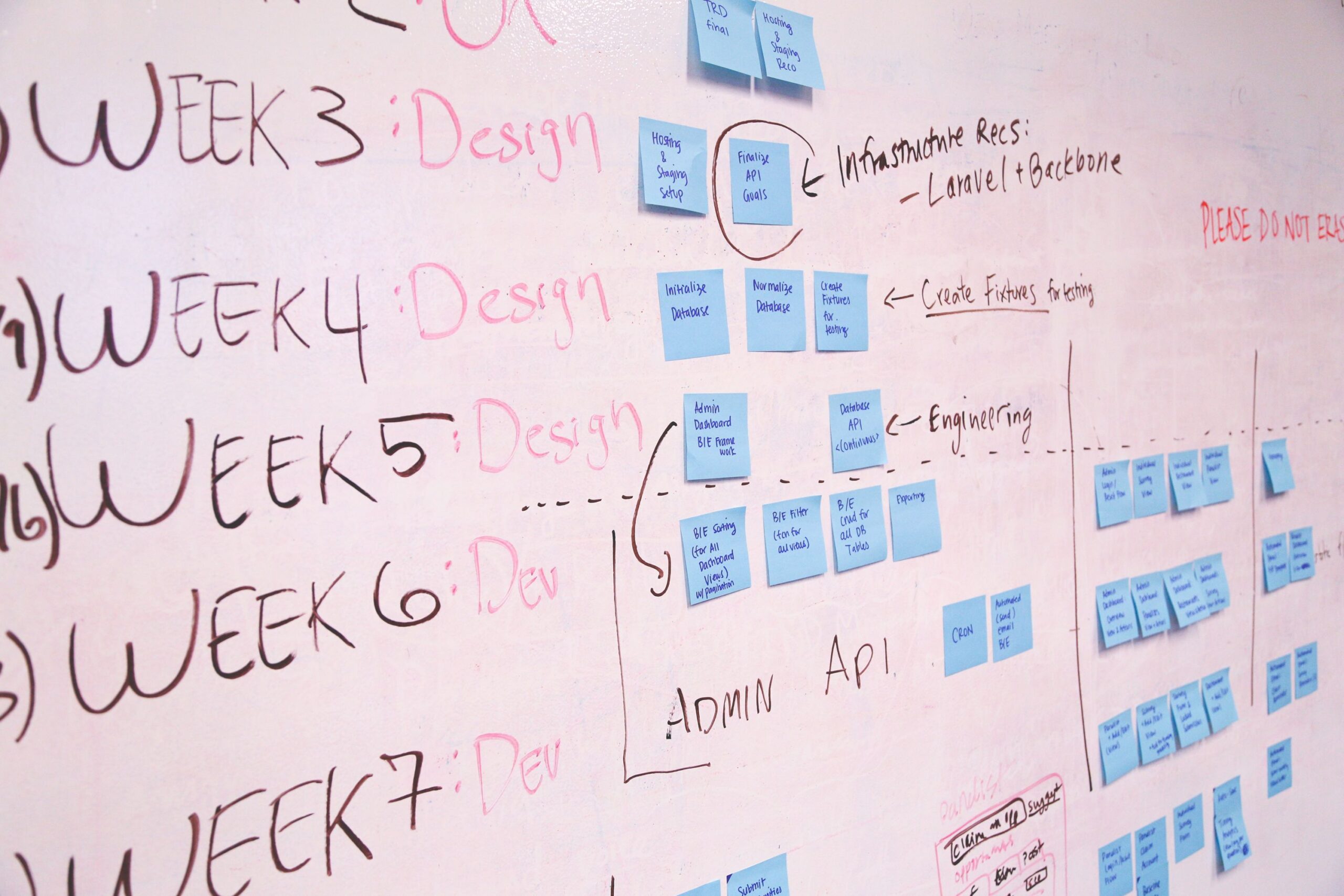
Plan, build, test, document, and present a complete software or information system. You work through the same kinds of steps used in real technology projects and learn how to work responsibly as part of a team.
Professional Internship
See how technology works in a real workplace.
Use your skills in an approved professional setting, work with real people and real needs, and see how technology projects are handled outside the classroom.
Your Learning Journey
From your first lines of code to complete systems.
You move from programming and data to web development, networks, cybersecurity, systems design, project work, and real professional experience.
Program
Learn programming and how to solve problems with code.
Develop
Build web applications, work with databases, and connect different technologies.
Analyze
Work with data and understand what users and organizations actually need.
Secure & Integrate
Bring software, networks, security, users, and project planning together.
Deliver
Use everything you have learned in a complete project and a professional internship.
Your Next Chapter
Where can Information Systems take you?
Information Systems prepares you to use technology to solve real problems — through programming, web applications, databases, data, networks, cybersecurity, systems design, and technology projects.
This degree can prepare you for career paths where you build software and web applications, work with databases and data, manage IT projects, support networks and systems, work with cybersecurity, help organizations improve their technology, or continue to further study.
What makes Information Systems different is that you learn both the technology and the problem behind it: who will use the system, what they need it to do, and how technology can make their work easier or better.
Specific job titles, professional certifications, and employer requirements vary by country, organization, and career path.
Choose Your Path
Two ways to study Information Systems at MEU.
MEU offers a Bachelor of Science in Information Systems and an Information Systems concentration inside the BBA. They share some technology topics, but the balance between technology and business is different.
Bachelor of Science in Information Systems
More technology. Business knowledge included.
This path is for students who want to spend more of their degree building technology: programming, web development, databases, data analytics, networks, cybersecurity, systems design, and technology projects — while also learning how businesses and organizations work.
- Learn programming and build software
- Create web applications and work with databases
- Analyze and use data
- Work with networks and cybersecurity
- Understand what users need and design complete systems
- Plan and deliver technology projects
BBA — Information Systems Concentration
More business. Information Systems as your specialization.
This path is for students who want the broader BBA experience first: understanding management, finance, markets, business decisions, people, and operations, while using Information Systems as their area of specialization.
- Understand how businesses work and make decisions
- Learn how technology supports business needs
- Use systems and data to improve the way work gets done
- Connect technology with business processes
- Coordinate technology-related projects
- Apply Information Systems in a business setting

Why MEU?
Build technology for the real world.
At MEU, the BS in Information Systems puts technology at the center. You learn how to build and work with digital systems, while also understanding the people and organizations that will use them.
Build Strong Technology Skills
Learn programming, web development, databases, data analytics, networks, cybersecurity, and how to connect these areas to build useful systems.
Learn the Process from Start to Finish
Understand a problem, plan the solution, build it, test it, secure it, document it, work with a team, and take the project through to delivery.
Move Beyond the Classroom
Connect academic learning with professional experience through the program's approved Information Systems internship.
Current Academic Requirements
Want to see the full curriculum?
For the latest list of courses, credits, prerequisites, internship requirements, electives, and academic policies, use MEU's official Academic Catalog. This page explains what you will learn without depending on individual course titles.
Questions
Questions about Information Systems?
How is Information Systems different from Computer Science?
Information Systems focuses on using technology to solve real problems inside businesses and organizations. You study areas such as programming, web development, databases, data, networks, cybersecurity, and systems design. Computer Science goes deeper into how computing itself works, with more emphasis on algorithms, software development, computing theory, and mathematics. Both are technology degrees, but they focus on different sides of the field.
What is the difference between the BS in Information Systems and the BBA Information Systems concentration?
The BS in Information Systems has more technology in the degree. You spend more time with programming, web development, databases, data, networks, cybersecurity, systems design, and technology projects, while also learning how businesses work. The BBA Information Systems concentration has more business: you build a broader foundation in business first and use Information Systems as your specialization.
Do I need to know programming before I start?
The program begins with the foundations of programming and problem-solving, then moves into more advanced development and systems work. Formal admission and placement requirements are listed in the Academic Catalog.
Is Information Systems only for working in an IT department?
No. Information Systems professionals can work anywhere technology is used to organize information, support users, improve processes, or solve problems — including companies, schools, banks, NGOs, government organizations, and many other workplaces.
Will I actually build a complete system?
Yes. You bring your skills together in a complete project where you plan a solution, build it, test it, document it, work with a team, and present the finished system.
Will I get professional experience before graduating?
Yes. The program includes an approved Information Systems internship that connects academic learning with professional experience. Specific eligibility, duration, approval, and documentation requirements are maintained in the Academic Catalog.
Is the program taught in English?
Yes. English is the medium of instruction at Middle East University. Admissions requirements for English proficiency are available in the current Academic Catalog.
Your Next Step
Want to study Information Systems at MEU? Here’s what to do next.
Ready to get started? Begin your application today. Still have questions? Talk to our Admissions team and we’ll help you understand the program, the admissions process, and your next step.
View Current Academic Requirements →